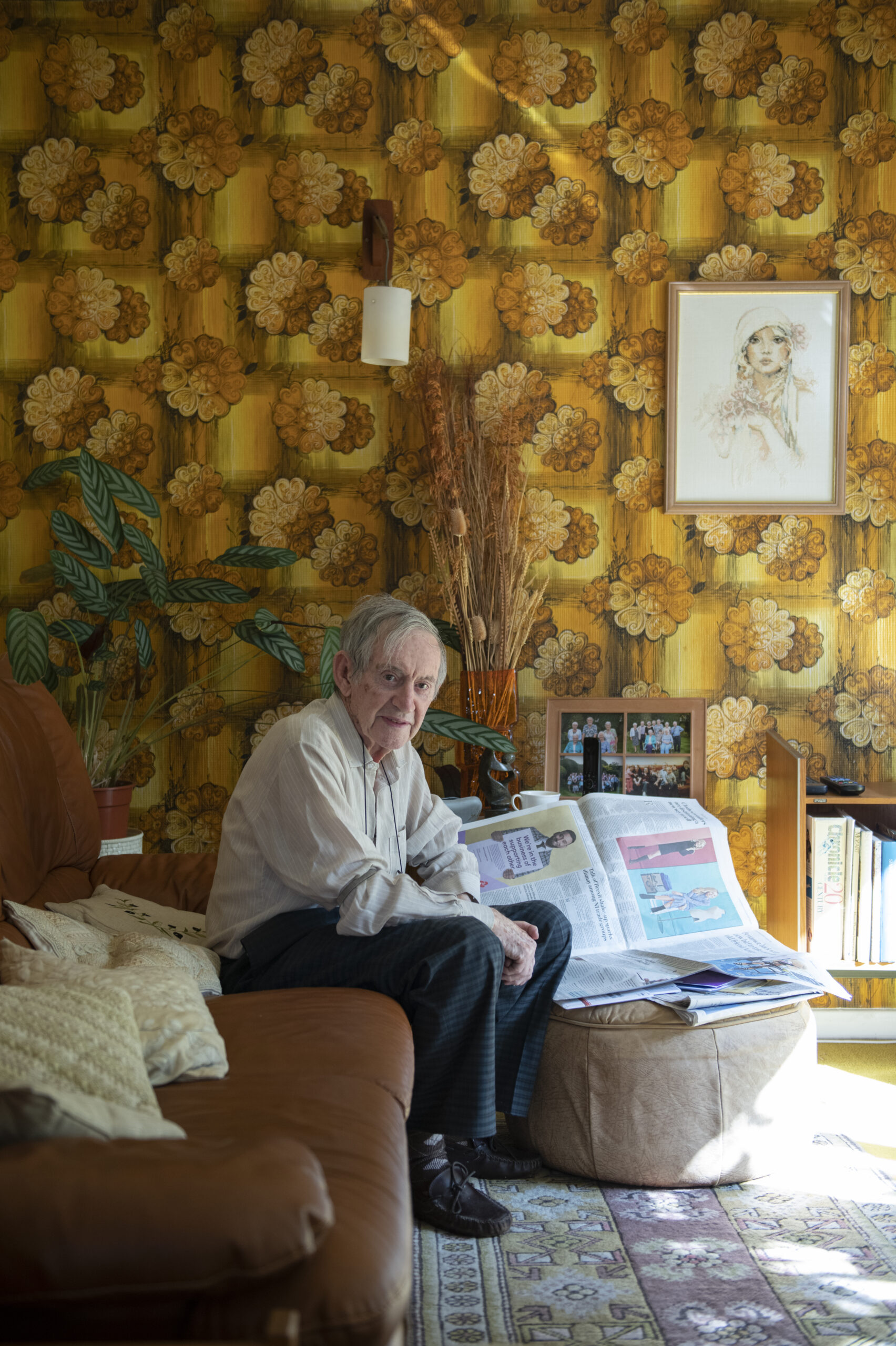
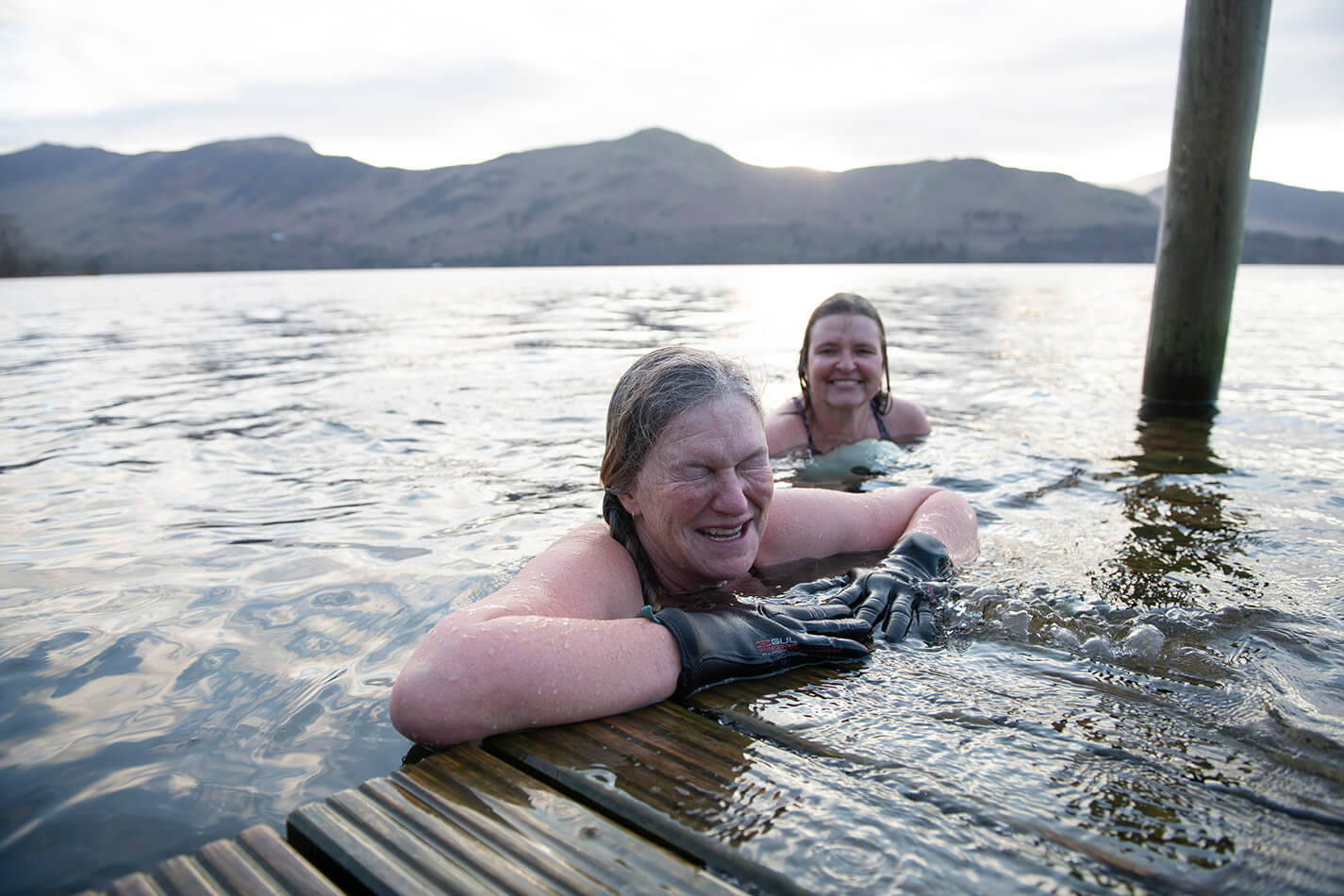
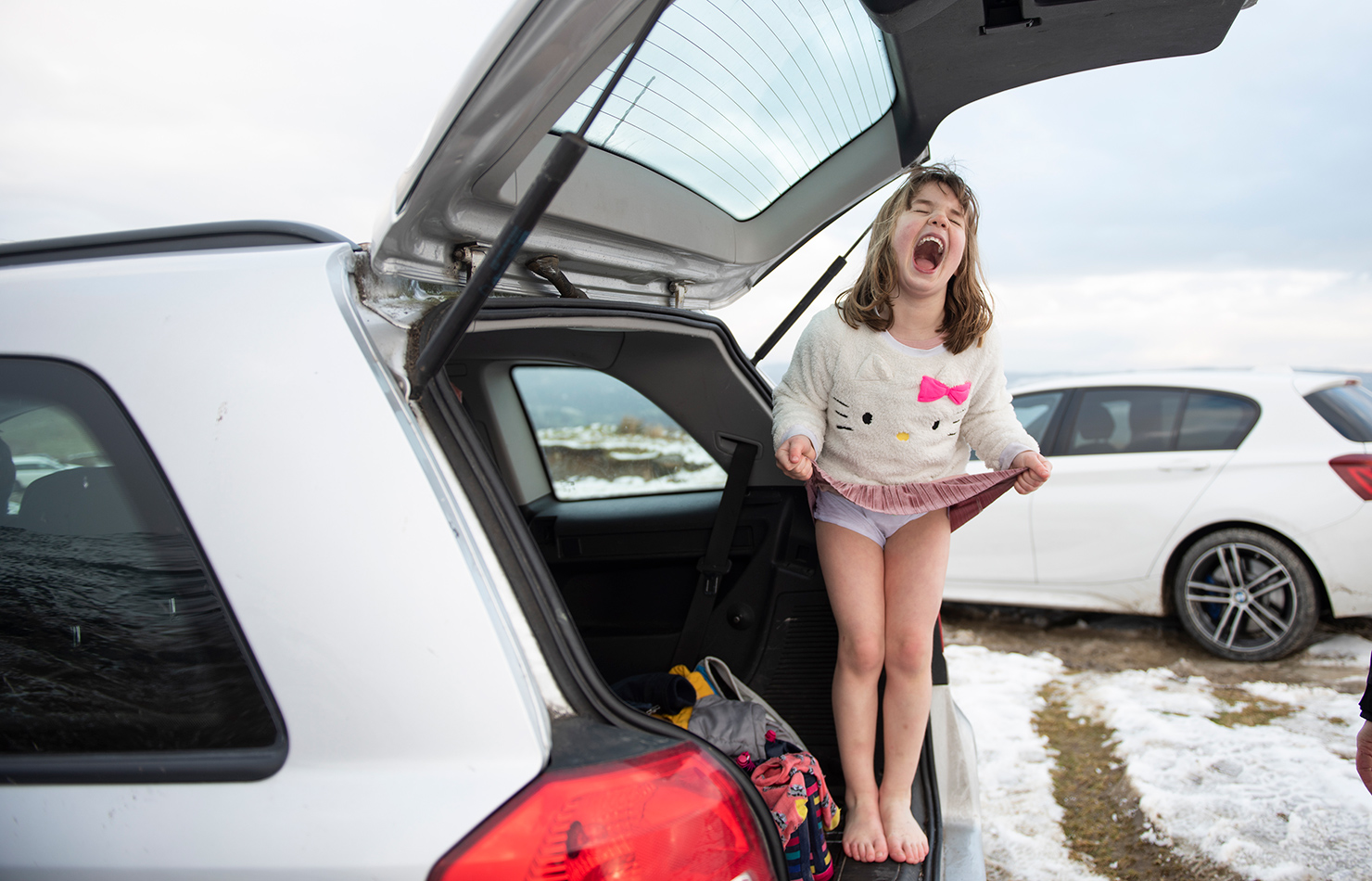
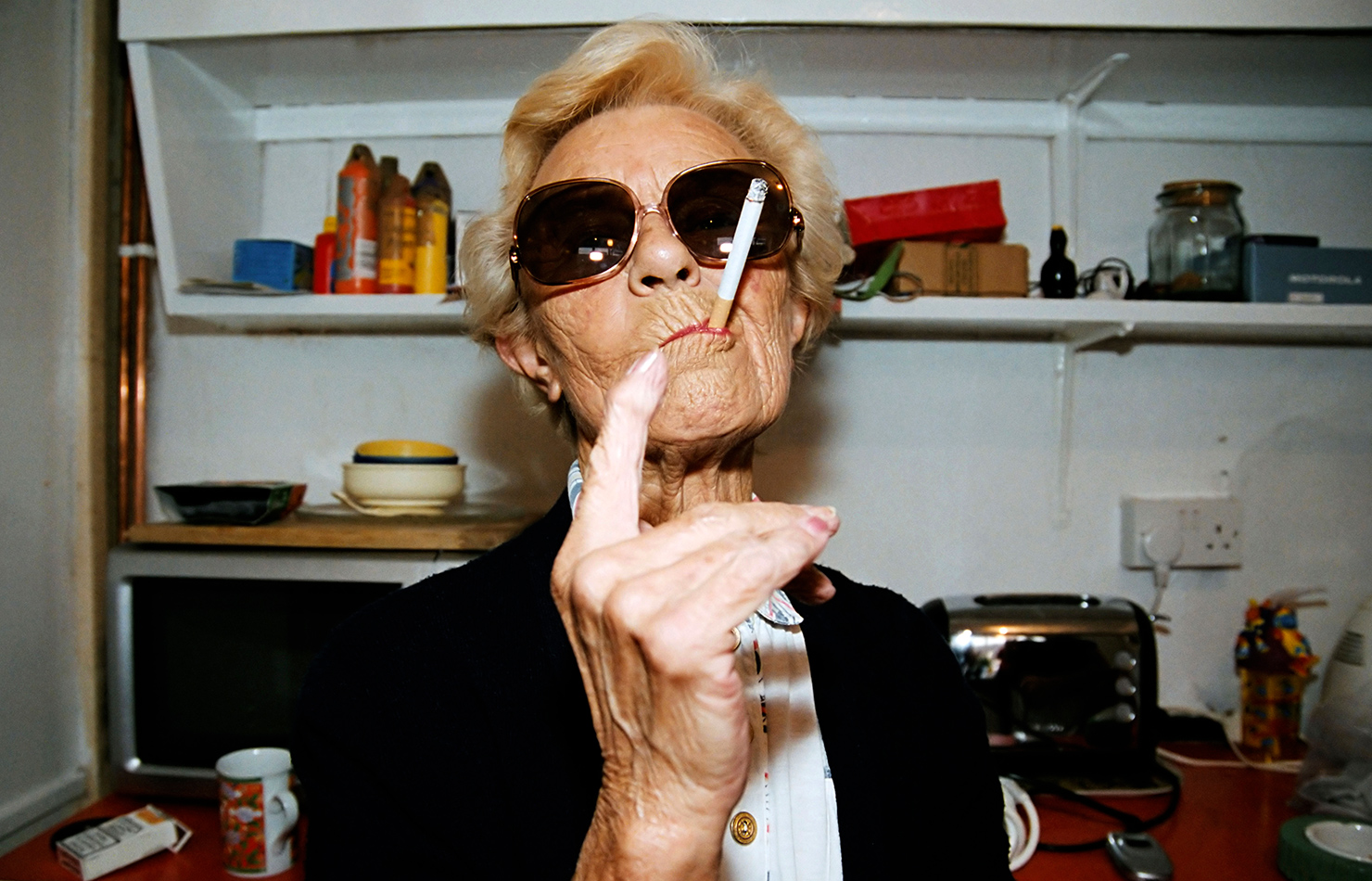
![]() About Hannah Maule-ffinch: with comments from HannahIn 1998 Hannah Maule-ffinch ended a successful career in graphic design to pursue her passion for photography on a professional basis. With a growing reputation as a photo journalist and a firm belief that a ‘good’ picture really should tell a story, she established HMF Photography to focus on reportage and portraiture. There are times when photographers must not only shoot what they see, but also engage with the subject to ensure that some aspects of their personality, their past, or their feelings at that particular moment in time are captured. The briefest conversation can sometimes produce a marked variety of emotional responses, so the photographer may have to decide which particular response to portray. “The Big Issue vendor’s life had been dreadful; you wondered whether he’d make it to next year, next month, or even next week. But despite everything he actually wanted to talk about what made life good, and this is what I tried to capture.“ News photography of opposing parties whether in a war zone, politics or sport calls for a very careful balance. The photographer seeks to capture some essence of the ‘truth’, while exercising judgement to ensure that the results are seen to be impartial. “Although my role on the hunt saboteurs shoot was purely to take pictures, I was nursing marks from the riders’ whips and kicks for weeks afterwards. But I had to remain neutral; my pictures sought to reflect the good and bad of both sides.“ The demand for photographs that capture the behaviour and expressions of young children is universal, but it can also bring a whole raft of challenges. The photographer must walk the fine line between getting the shots that meet the brief and intruding too far on the child’s privacy. And where children are at risk, or suffering in some way, there is always a risk of getting involved. “Filming the children’s orphanages in Colombia made me think hard about reconciling my roles as a photographer and as a woman. The conditions were harrowing, and the youngsters’ prospects grim, so my pictures reflected that. As a photographer you must always get your pictures. But when the photography was done I put my camera down and played with the children for several hours.” For professional photographers, celebrity or corporate executive shoots are often associated with having insufficient time and, occasionally, less than cooperative subjects. There’s typically a requirement to confine the shoot to a particular room or area of the client’s choosing too. “Where time is tight, and the location is beyond your control, there’s still scope to introduce a documentary element to portraiture. You have to extract some personal dimension from the subject to tell the story. They don’t have to be posed - sometimes I’ll use movement or I’ll crop the image right back to enhance the composition.” With some photographic commissions, such as a musical or theatrical performance, all aspects of the ‘photo set’ are already established and the subjects are necessarily too engrossed in their own performance to engage with a photographer. “If I’m photographing a live performance I explore numerous angles from different locations in the venue, jumping across rows of seats if necessary and switching lenses a lot. Occasionally my efforts to capture the desired shots at a gig are rather more strenuous than the band’s performance!” Power by Jay Li Photographers Links website designed by Stephen Birchmore |
|